.

We are all consumers. We want to enjoy fresh and tasty food. And we always expect to find everything we need in the shops at our desired quality, quantity and price. This is especially the case for fruits and vegetables, when visual appearance also plays a decisive role in the purchase choice. Farmers, traders, processors and retailers are always under pressure to fulfil these demands. Thus, via collaborative programs, the food value chain has increasingly received specialised support from BASF.
Our number one partners are farmers, BASF provides them with crop protection solutions that help to produce a plentiful supply of healthy, first-class fruits and vegetables. It is also our role to provide solutions and recommendations on how best to protect crops to achieve optimum yield and quality. This increases the marketability of the produce, supporting the grower’s business and livelihood.
Our cooperation goes further: supermarkets, food processors and other food value chain players are also part of our alliances. They aim at fulfilling the consumers’ wishes as well as meeting the demands of a wide range of quality assurance schemes, production protocols and retailer standards. Together we engage in achieving the best recommendations and solutions for growers to deliver top quality produce, satisfying all market requirements.
We invite you to learn more about how BASF is leading the way with its collaborative projects with different food value chain stakeholders in Europe.
Food value chain stakeholders in Europe:
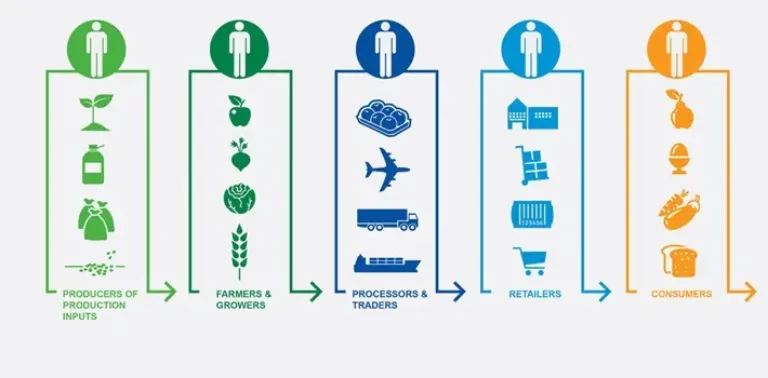
Manufacturers and plant breeders provide essential basic materials for crop production including highly developed seeds or propagation material followed by fertilisers, crop nutrients and various plant protection products to prevent losses caused by pests, diseases and weeds.
Farmers and growers are the primary producers of raw agricultural commodities. Every year is different as the weather, input availability, regulations, requirements of customers and demands of markets are constantly changing.
Farmers and growers can operate as independent enterprises or together as co-operatives or produce organisations.
Packers and wholesalers are traders, buying from farmers as well as processors and distributing produce for onward sale to the end retail sector.
Processors take raw agricultural produce to manufacture a finished food product in a basic or highly processed form.
Retailers include the major supermarkets and smaller independent traders selling produce directly to final consumers, closely following and adjusting to their needs and tastes.
We are all consumers. We choose our food based on many criteria including price, appearance, taste and health benefits. Consumer expectations and preferences exert a strong influence on the whole food value chain, from the farm to the kitchen.
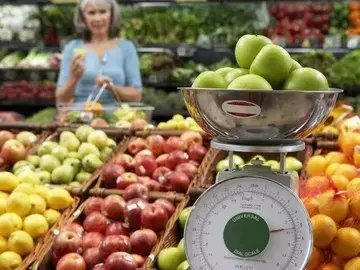
BASF's Smart Protection concept in Europe
Smart Protection focuses on high value fruit and vegetable crops, aiming to help growers optimise their crop production to meet the various and demanding market standards of the food value chain.
BASF Smart Protection:
Smart Protection Tools:
We understand the many challenges faced by farmers and growers who work hard to meet the high demands of their customers in the food retail industry. Especially in the fresh produce sector where residue minimisation and the reliable supply of high quality produce is of special importance.
In response to the needs of our customers and partners, we continue to develop our Smart Protection concept further.
- Is a flexible approach to crop protection, based on BASF’s portfolio, combining conventional and biological crop protection as well as other innovative solutions.
- Guidelines and recommendations are fully adaptable to local country and wider market requirements.
- Aims to help growers understand and manage residues to meet the strict entry requirements and standards of end markets.
- Maintains high standards of efficacy and resistance management whilst managing residues.
- Protects crop quality and yield, strengthening grower profitably as well as supporting the wider aims of sustainable production.
- In the demanding European food and drink market, producers and suppliers need to better understand the residue characteristics and behaviour of plant protection products.
- Developing our knowledge and understanding of residue behaviour is at the heart of Smart Protection, helping growers to manage residues and meet the needs of their customers by optimising the use of BASF’s plant protection products.
- In Smart Protection, BASF’s crop protection offer is made available in stand-alone products or in flexible combinations as part of an integrated crop protection approach. For example, this may include:
- Innovative chemistry: an extensive range of products including the unique fungicides ®Initium and ®Xemium.
- Biological solutions include the bio-fungicide ®Serifel; the bio-insecticide Broadband (®Velifer) and the ®Nemasys family of biocontrol nematodes.
- Novel precision solutions including the RAK® pheromone products for mating disruption of fruit moth pests.
Tailor-made BASF Smart Protection program helps meet the challenging conditions of the regulatory and marketing sectors.
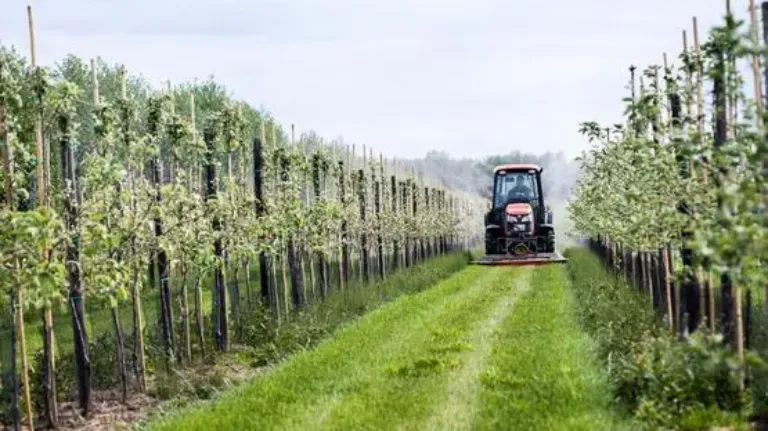
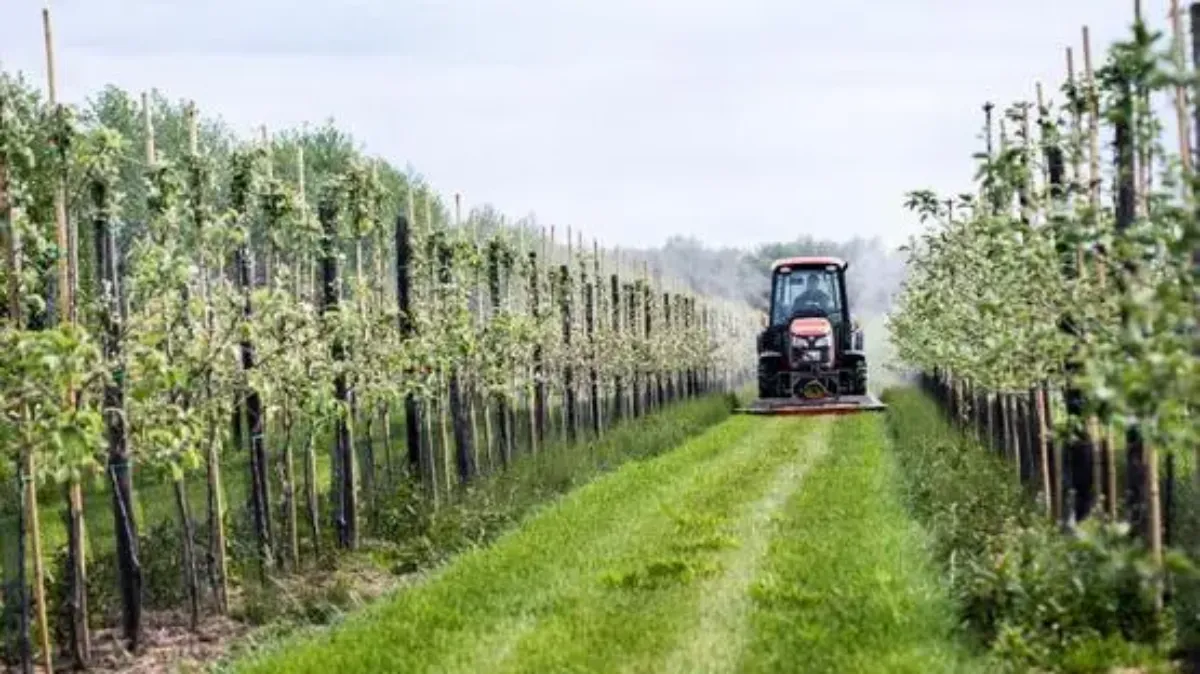
BASF’s Smart Protection spray program in France has been under active development since 2013. The program adopts a flexible approach to crop protection programs by combining chemical and biological solutions with different application technologies and timing. The goal is to achieve maximum profitability for the farmer, optimal pest and disease control as well as the production of high quality produce.The Smart Protection program aims to support French apple farmers, enabling them to succeed in the face of ongoing challenges presented by national pesticide reduction targets and tough marketing standards required by their customers.Since the beginning, we have been working closely with the French CTIFL organisation (Le Centre Technique Interprofessionnel des Fruits et Legumes) who were commissioned by BASF to test and elaborate the Smart Protection programs. The treatment proposals by BASF were compared with standard commercial practices in the apple varieties Gala, Tentation, Pink Lady and Granny Smith, including field sites in two major apple producing regions, Aquitaine and Loire. Where needed, the programs were improved in the light of practical experiences.Today, the Smart Protection programs are already showing many positive benefits compared with standard practice, including:
- high standards of pest and disease control
- reduced input costs
- compliance with national pesticide use reduction targets
- management of residue minimisation targets
- meeting retailer marketing standards
The practical Smart Protection programs is foreseen to be used to help French apple growers thrive by providing the highest quality fruit in the face of increasingly strict regulatory conditions and customer expectations.
The apple Smart Protection program by BASF was also discussed with a major French supermarket as they are the direct buyers from farmers. The interest was high and a cooperation was started to investigate the options of such a program in the future.
In the interest of the food chain
Collaborative monitoring program leads to residue improvements and to a cooperation with potato processor McCain
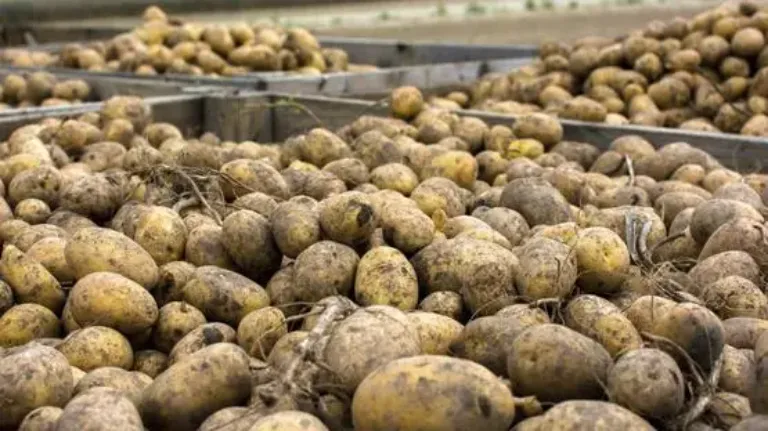
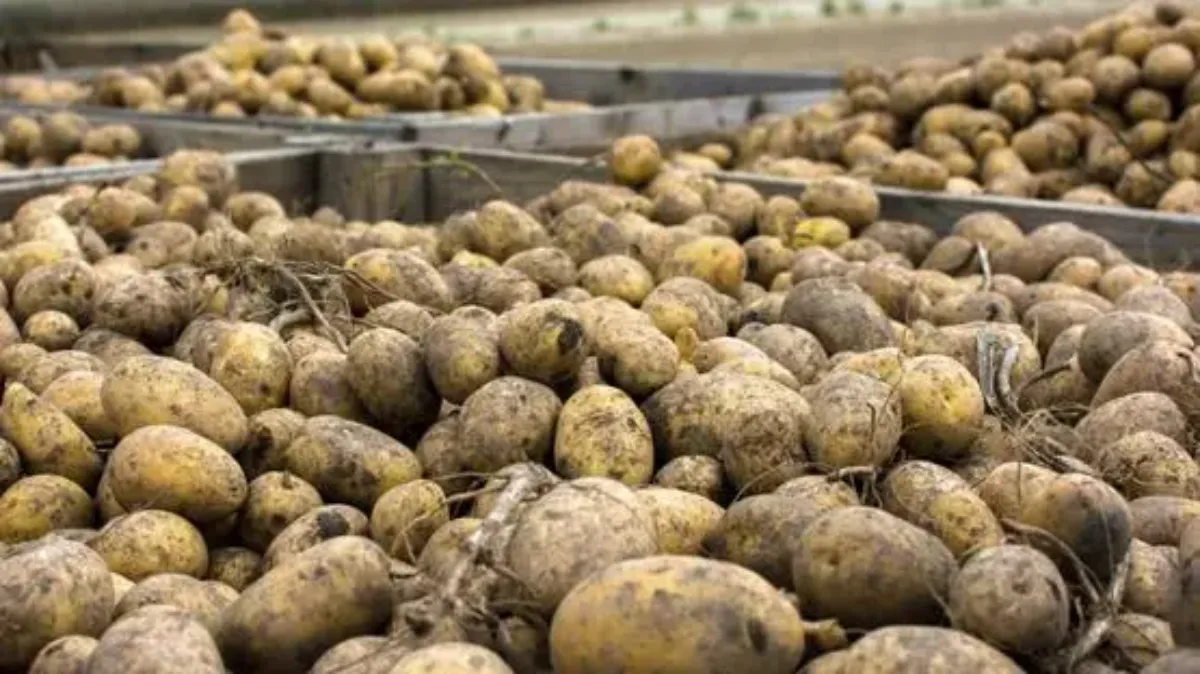
For the second time, in 2015 BASF joined a collaboration with five chemical analysis laboratories in Greece aiming to achieve better crop protection programs with less residues. The way forward: analyse fruits and vegetables from specific areas and take corrective action if unacceptable residue levels were detected. When that was the case, BASF advisers talked to the respective farmers and guided them with better spray programs to minimize residue levels.Just one year into the project, McCain – globally known for their frozen French fries – started a similar project. With ‘Fruit of Care’, McCain aims to support local potato farmers. Their project includes improved crop quality, knowledge transfer and the creation of job prospects for the young and unemployed. Among others, BASF joined the project to provide their expertise in crop protection and residue management. The focus here is fresh potato production. In 2017, the program will run for its third consecutive year.BASF Greece is highly engaged in the McCain potato project as well as other monitoring projects, such as monitoring apples, cherries, table grapes, lettuce, olives and peppers. Close cooperation partners are usually farmers, agronomists and crop protection advisers, as we understand that the impact is maximized through the support and cooperation of a range of stakeholders.
The collaborative monitoring program by BASF and five chemical analysis laboratories has led to much attention. This project won the market category “BRAVO Sustainability Award 2015” in Greece. The award is a key element of the initiative “Sustainable Greece 2020”, a joint initiative by 33 business associations, 120 companies, 17 local authorities and 43 organisations of the civil society.
In 2015, McCain started the project with 25 potato farmers near to the Macedonian border. They received support in their production – starting with the seed tubers, throughout the growth phase until harvest. Furthermore, they were assisted with good agricultural practices and economic methods. The result was a great harvest which resulted in better payments and profits, a win-win for the farmers and their communities.Partnering with McCain in this project are: the Greek Network for Corporate Social Responsibility (CSR Hellas), Stavros Niarchos Foundation, Piraeus Bank, American Farm School, AB Vasilopoulos, L.Y.D.A. and BASF.
Awarded program
McCain: social project for Greek potato growers
Turkey – a world leading producer of raisins
Turkey is a world leading producer of seedless dried grapes, also known as raisins. The export of fresh table grapes and raisins to European countries, notably the UK, Germany and the Netherlands, is of major commercial importance to Turkish producers and suppliers.
Producers and suppliers carefully manage the use of plant protection products and regularly monitor the levels of residues. This monitoring ensures that residues are under the statutory maximum residue levels (MRLs) as well as complying with MRLs applied in export destination countries.This process gives assurances to all stakeholders in the food value chain that plant protection products are being used according to label instructions and in compliance with Good Agricultural Practice.
Monitoring and managing residues
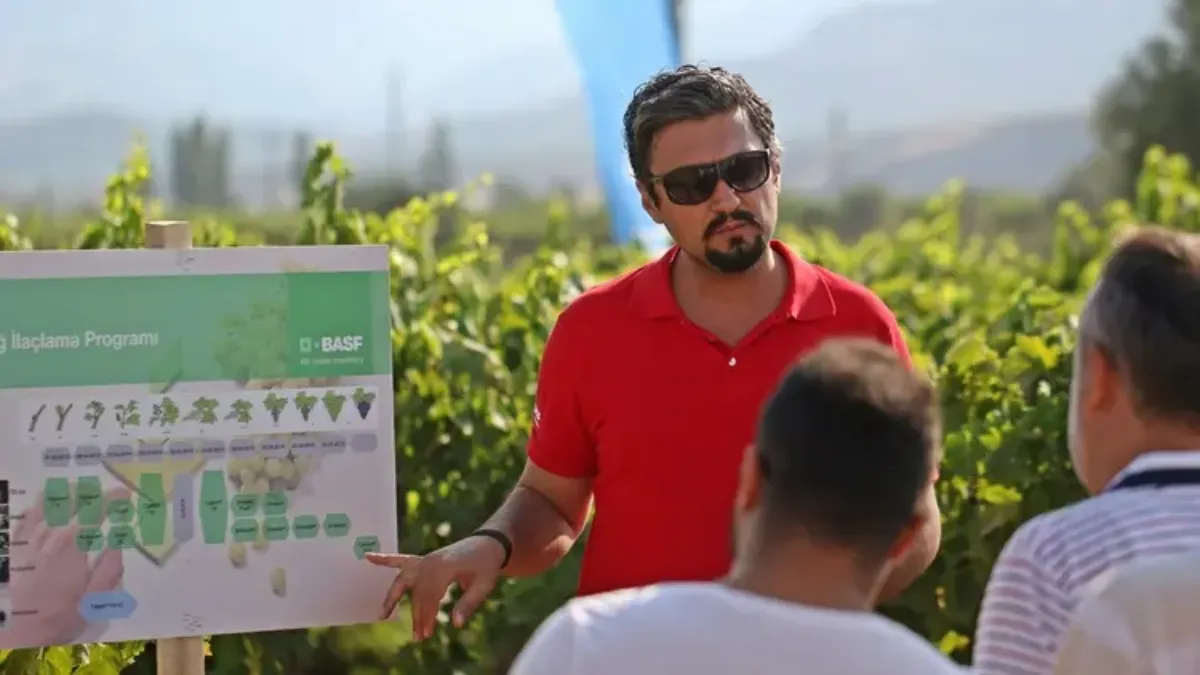
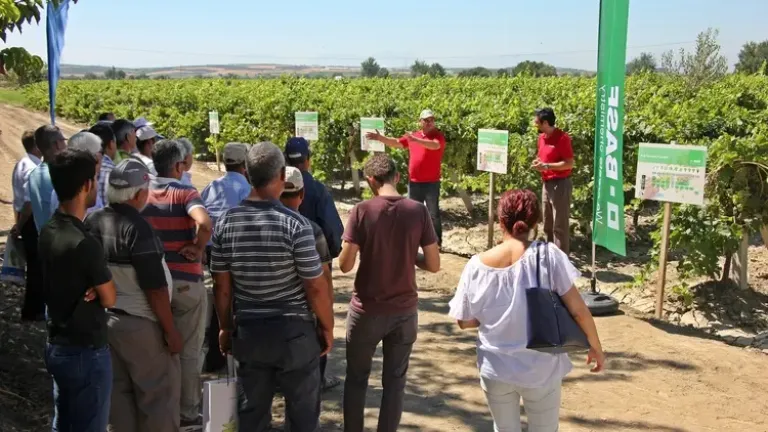
BASF’s new class-leading fungicide, Sercadis, containing Xemium®, was authorised for use on grapes in Turkey starting in 2017.Leading up to the launch of Sercadis, BASF Turkey worked closely with a group of over 20 leading grape and raisin growers to understand the residue behaviour of the new product under real-life commercial conditions.
Participating growers were given the opportunity to apply Sercadis according to BASF recommendations for the control of powdery mildew, an extremely damaging disease of grapes.At harvest time, grapes were immediately sent to an accredited analytical laboratory for residue analysis. The residue results were subsequently evaluated and shared with the group of project growers.The results revealed that Sercadis residues in grapes remain very low at harvest and also after processing into raisins – meeting the required regulatory MRL levels.
The findings of this ongoing demonstration project are helping growers understand and manage the residue characteristics of Sercadis.Furthermore, by following our best practice Smart Protection guidelines, Sercadis residues at harvest were often shown to be non-detectable (i.e. less than 0.01 mg/kg) in grapes and raisins.This project is providing growers with the knowledge and experience to use Sercadis to its full benefits. It helps them to achieve the highest standards of disease control whilst minimising residues to meet the testing requirements of their export markets.
Sercadis launch project
Grower trials and residue analysis
Grower confidence in meeting export requirements
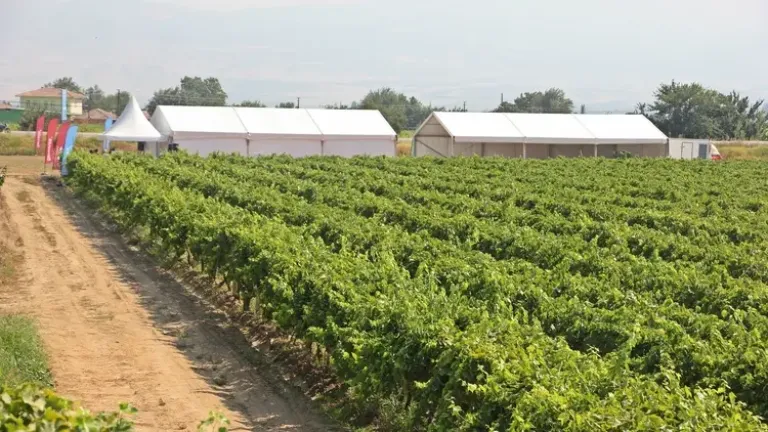
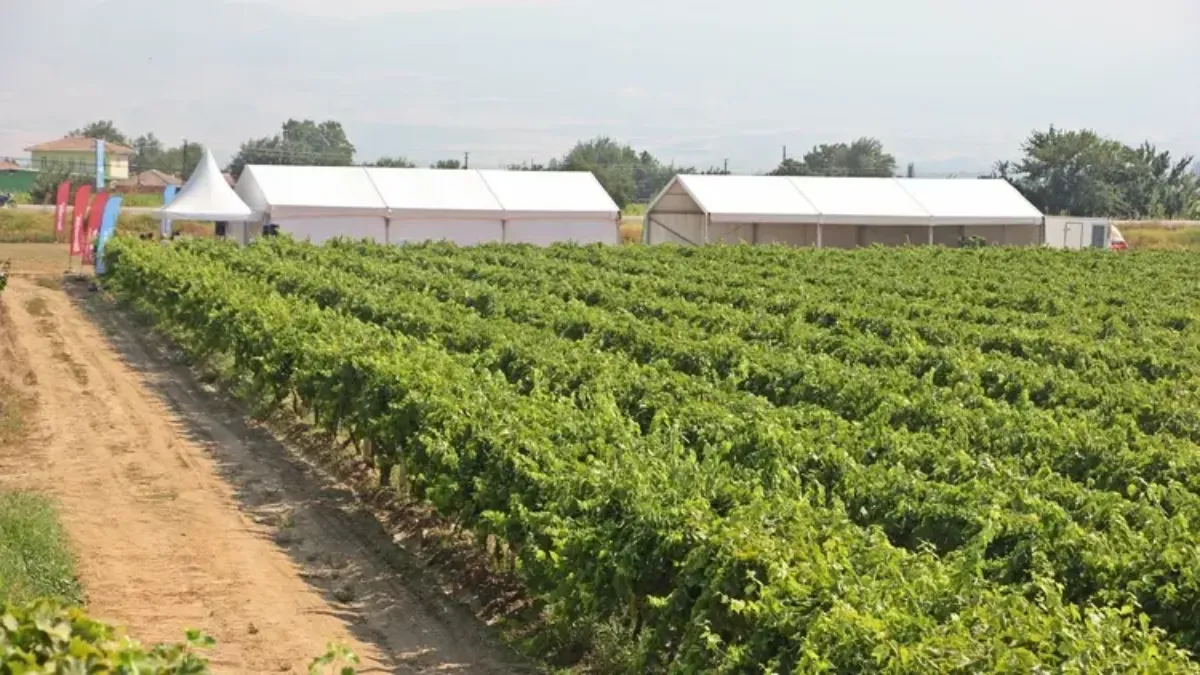
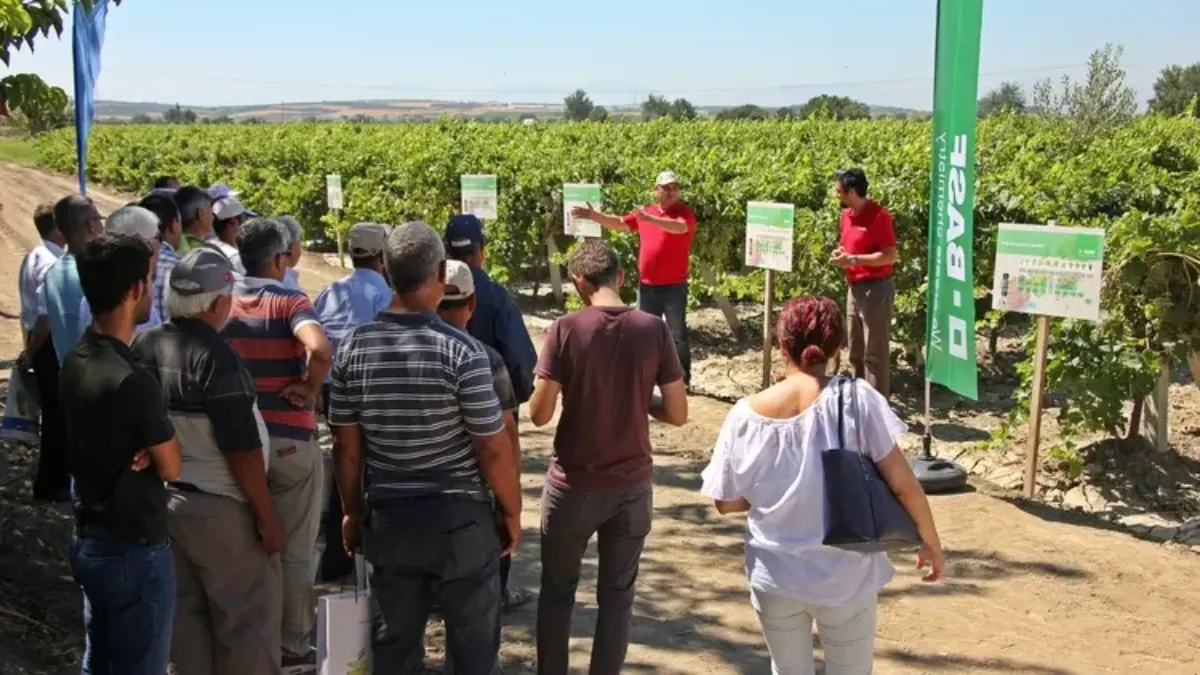
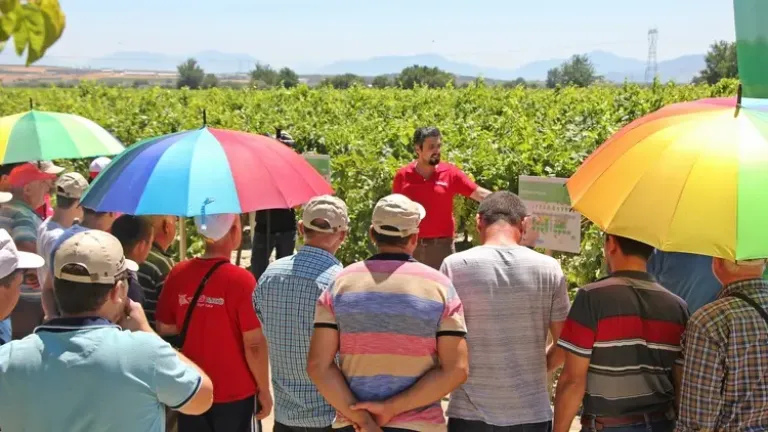
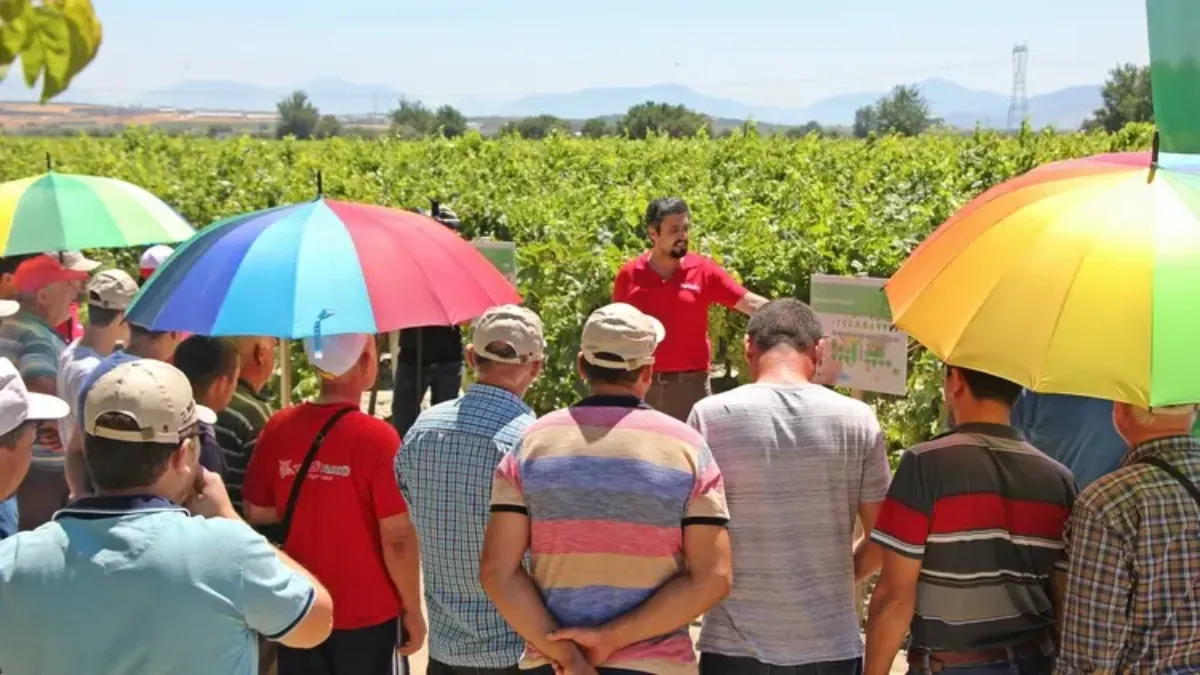
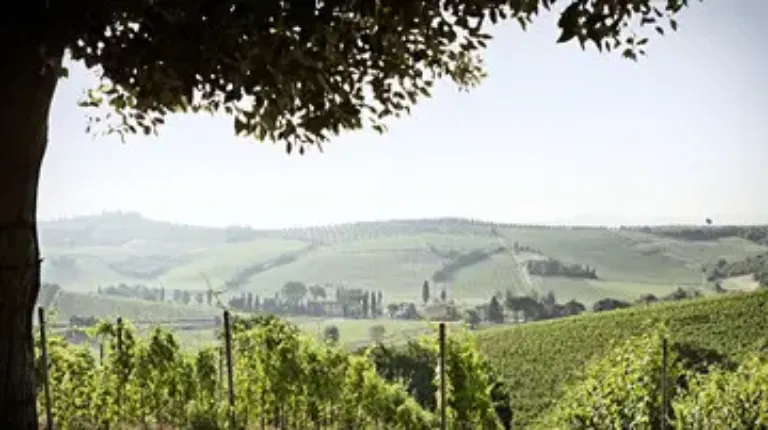
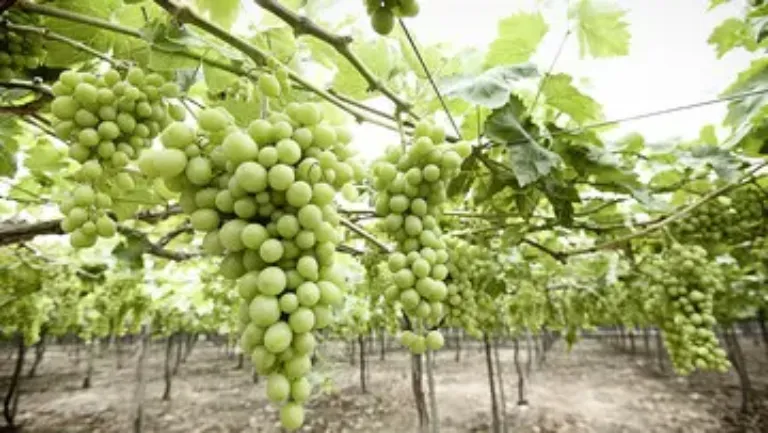
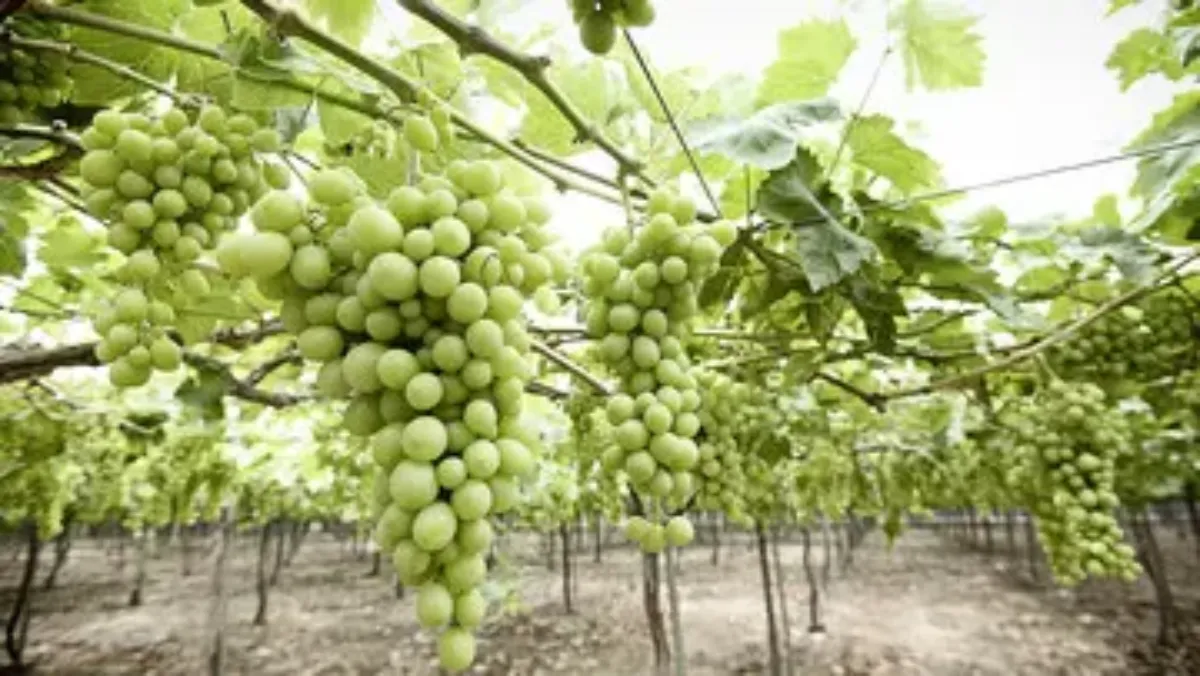
Fresh and sweet table grapes are loved by everyone. But we often take for granted the plentiful and affordable supply of high-quality grapes that are always available on our supermarket shelves. In Italy, BASF has been working on a new initiative to help table grape growers improve the quality and marketability of their produce.
Table grapes are a sensitive high-input crop; growers have to work hard to achieve the required appearance, taste and general healthy appeal that retailers and consumers demand.
Perfect table grapes need constant care and detailed attention by the grower. Crop protection remains a big challenge. Extreme weather and the threat of diseases and pests are a constant threat. In 2014, BASF initiated a project to develop best‑practice Smart Protection programs for table grapes in Italy.
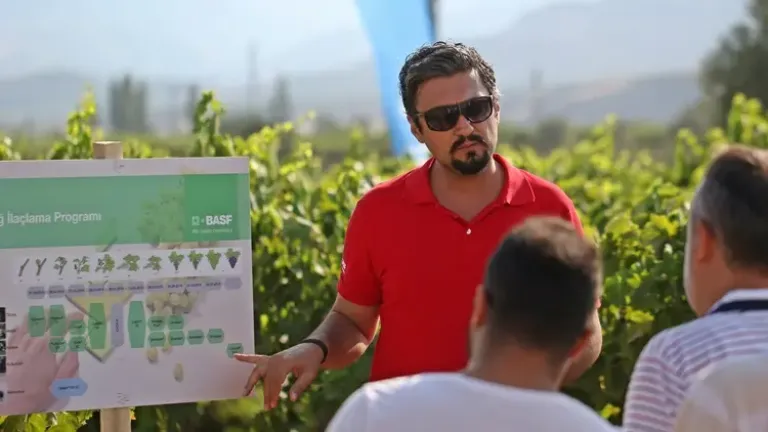
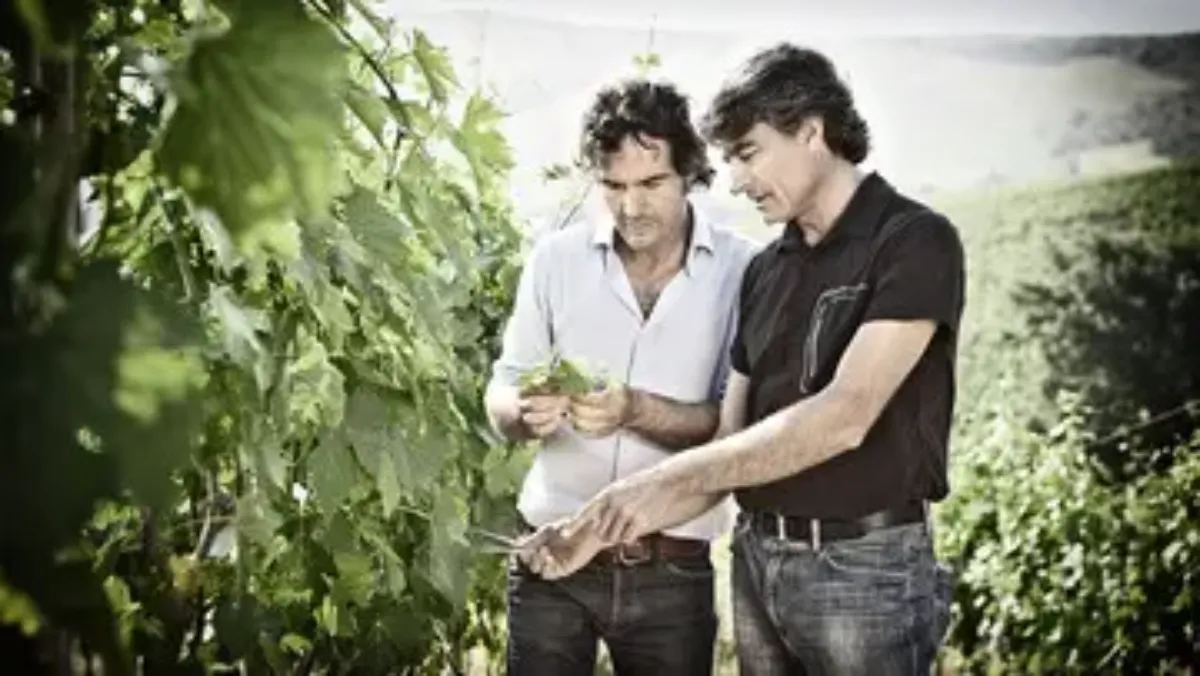
Key partners in this ongoing collaborative project include a leading independent agricultural consultancy group and selected growers in southern Italy. To achieve the highest quality table grapes, crop protection programmes must be intensively managed and monitored for residues to help growers successfully market their produce, meeting a challenging range of marketing and accreditation standards.
BASF provides a baseline crop protection programme which is then implemented by the selected crop consultants, in conjunction with their clients, the growers. Together with the growers, the crop protection recommendations are managed under real life commercial conditions. Towards harvest time, BASF provides support for laboratory analysis of residues in the ripening grapes.Valuable data is subsequently generated to guide best practices and to refine the Smart Protection approach towards residue minimisation.
As experience is gained in this project, advice for table grape growers will be improved and communicated to a many growers – reached by the project collaboration of independent crop consultants and the local BASF Crop Protection team.
The real winners are farmers: they receive optimised spray programs to support their production of high-quality fruits – attaining the highest standards expected by retailers and consumers alike.
Smart Protection spray programs are just the beginning
The collaborative project with independent consultants and farmers to manage residues and optimise spray programs for table grapes is just the beginning. BASF is also working on integrating even more elements to advance the management of table grapes in Italy. Next steps involve improved levels of disease forecasting and innovative film covers to shield the crop from environmental extremes.